
Breaking the Stigma: Why Therapy is a Game-Changer for Kids
Whether you have wanted to or not, I am sure there have been several instances that have made you think, “What will people say?” Regardless of whether your gut signaled towards a correct and logical decision, you have fallen prey to societal norms.
Whatever society has collectively deemed as ‘not normal’ or ‘different from usual’ has been kept in an archived folder inside your brain. This is what stigma does.
“Stigma has been described as a deeply discreditable or undesirable attribute (Goffman, 1963) and further conceptualised as a social process of labelling, stereotyping, and prejudice causing separation, devaluation, and discrimination (Link and Phelan, 2001)”-
How Stigma Impacts Decisions and Development
Stigma often operates silently, but it can be loud too. It comes in the form of concerned relatives, loving friends, and also your inner anxious voice. It holds you back from making decisions that benefit you and your family.
Imagine you came up with the most creative solution to a persisting problem at work. You go to your boss thinking you will be complimented for your effort. But instead, they tell you that since no other company has ever tried this method, you won’t be doing it either. Disheartening, right?
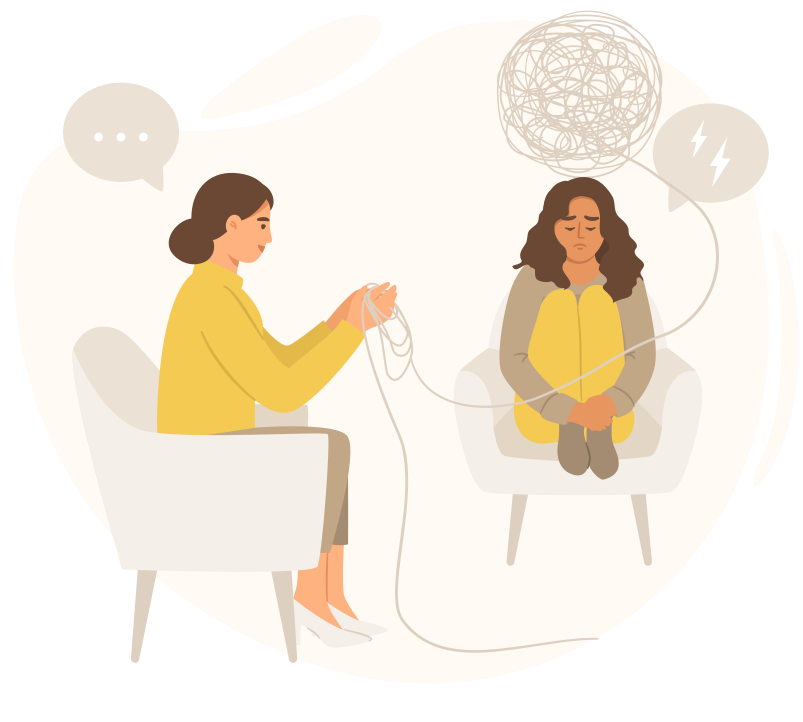
This is exactly what Stigma does. It plants preconceived notions into your head, making sure you can’t seek better creative solutions. But at the end of the day, you need to make sure to do the right thing for your child’s development. No matter what is accepted by society in general, you need to ensure that your child gets the correct support and developmental tools to help them grow.
Now, you clicked on this blog hoping you will learn something about how therapy can benefit your kids and what to do to protect yourself from the generalized stigma against therapy.
Let’s begin by taking a look at what child therapy really is.
What Is Child Therapy—And What It's Not
Child therapy, or pediatric therapy, is a set of intervention methods that help in a child’s holistic growth and development. The development could be anything— social, emotional, physical, or mental.
When parents hear the term ‘therapy’ their mind instantly goes to ‘taboo’, ‘abnormal’, and the age-old, ‘What will my relatives say?’ Therapy is not a “fix“, it is a fun and engaging way to support your child’s needs.
So, what is pediatric therapy?
Therapy is a structured and guided approach for child development.
Therapy helps in:
- Improving social and emotional awareness
- Building communication skills
- Developing focus and attention
- Addressing and controlling behavioral changes
- Improving motor coordination
- Addressing sensory issues
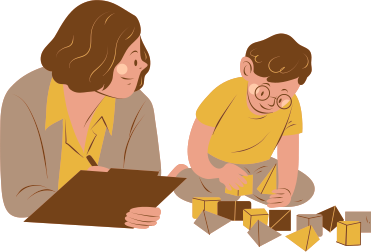
Therapists may incorporate these skills by introducing play-based activities, drawing, singing, dancing, or storytelling.
At Mango Town, every session is different. On one hand, a three year-old might be dealing with sensory issues by playing with clay or foam. On the other hand, a five year-old might be building confidence by storytelling.
“Mango Town aims to unlock one potential at a time in a fun and inclusive way.”
Pediatric therapy is not:
- A way to punish your child
- A replacement for parenting
- Meant to scare your child
- Just for children with a clinical diagnosis
As mentioned before, child therapy is meant for giving proper guidance and support in the mental, physical, and emotional development of children who require a bit more assistance than others. When we normalize this support early on, our children feel safe, supported, and secure around us.
Why Therapy Is a Game Changer—Even for Kids Without a Diagnosis:
Therapy is proven to be effective in the long-term development of children. Through guided therapy, children learn the proper way to regulate their emotions, build self-esteem and confidence, and face fears. Working on these intricate factors helps kids in building relationships with their peers at school.
Even without a formal diagnosis, parents often consult professional experts regarding their child’s physical and emotional development. This is what we refer to as “early intervention.” Early intervention not only helps in pointing out telltale signs of future complications but also gives more time to combat them.
What are the benefits of early intervention?
Children who are too young to receive a formal diagnosis or just haven’t gotten around to getting one yet benefit a lot from early intervention.
Early intervention helps in:
- Figuring out warning signs that could later turn into a disorder
- Addressing concerning signs in a child at an early stage
- Giving the child more time to make progress
- Preventing the development of unwanted behavior in children
At Mango Town, parents come to seek guidance not just because of a diagnosis. It is because they themselves have seen areas of concern in their child and want an expert opinion.
Common Signs Your Child May Benefit from Therapy
When you’re unsure, it’s normal to ask, “How do I know if my child needs therapy?” Worry not, we are here to help you.
If your child is exhibiting any of these signs, you should consider therapy:
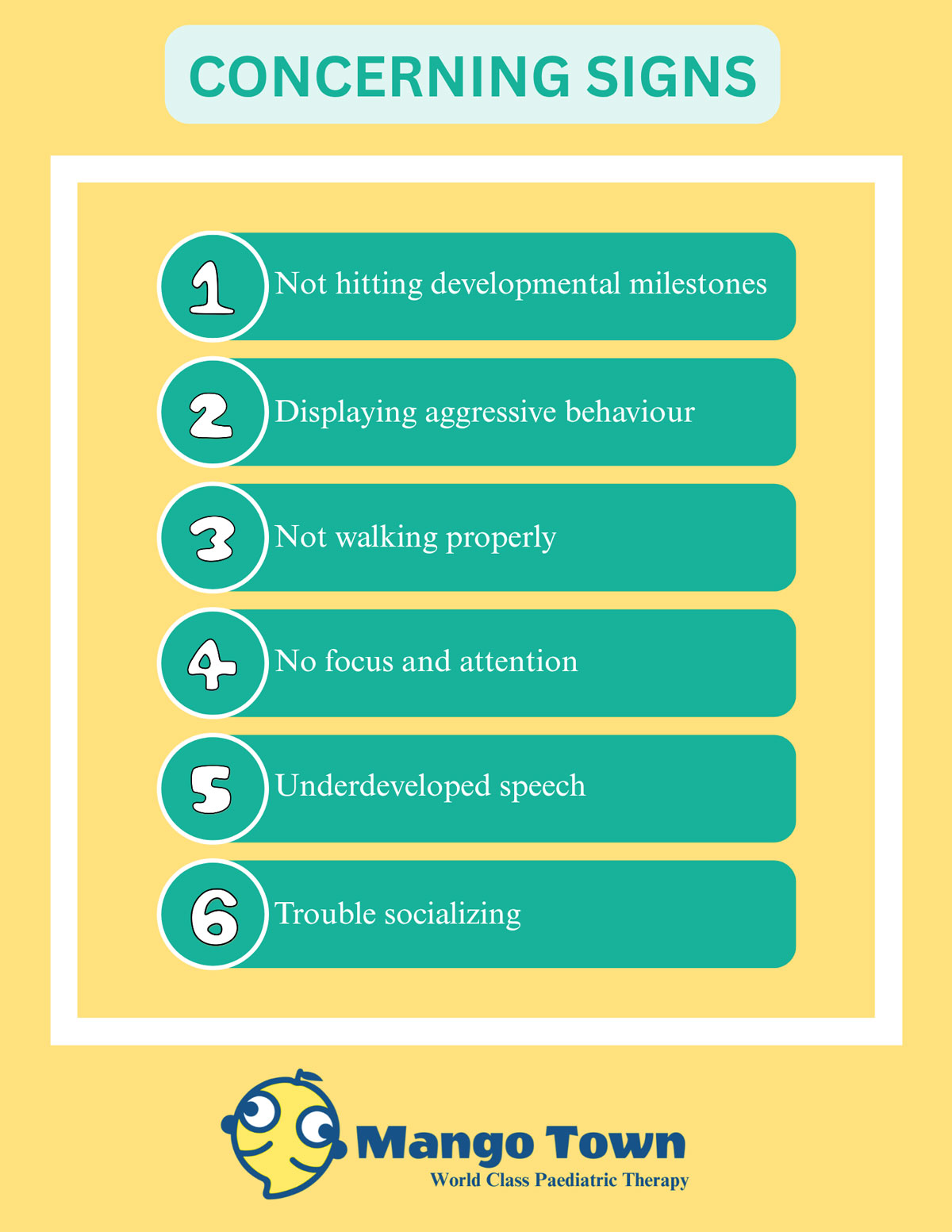
As a parent, it is your duty to provide the best support tools available to your child. Therapy can be of great benefit when your child is displaying any of the signs mentioned above.
Support is Not Just for Children— It is for You Too.
As a pediatric therapy center ourselves, we notice every day how concerned and anxious parents can get about their children. It is our job to provide them with the right support. This ensures that children can get the overall support— from us and also from their loved ones.
When parents and family get involved, it creates the opposite effect of stigma. When a child gets pure and positive support from their family, they become comfortable in sharing their feelings throughout their life. This raises a confident person with high self-worth and emotional awareness.
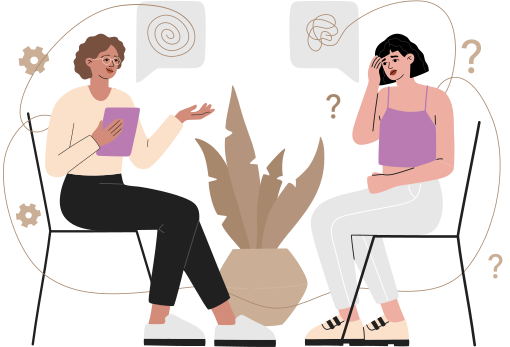
Here at Mango Town, we understand how important it is for parents to empathize with their child’s emotions. We have created an environment that gives parents a comfortable space to talk about their issues and discuss their feelings with our specialists.
How to Promote an Environment that Supports "Anti-Stigma"
The best environment to raise a child is where there is comfort, warmth, openness, and inclusivity. This isn’t just limited to toddlers and preschoolers but also teenagers and adults. The only way to promote a better environment is to foster inclusivity and build a positive space.
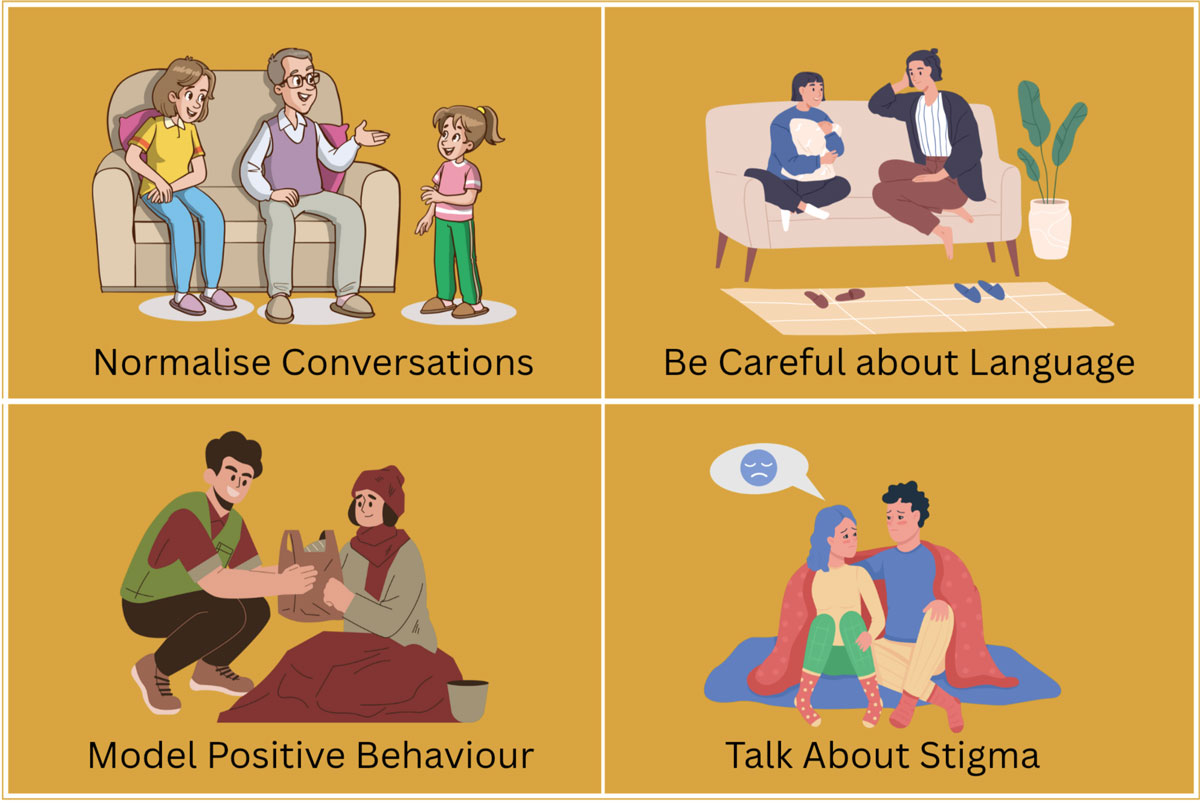
Normalize Conversations: When you have regular conversations regarding your child’s feelings with them, it makes it seem natural for them to speak to you regarding their life even after they grow up. Your position in their life becomes that of a parent, teacher, and, most importantly, a friend.
Mind Your Language: It is important to use age-appropriate language when discussing or explaining therapy to children. Use simple language that makes it easier for them to understand and instills the idea that therapy is more of a ‘play’ than a structured curriculum.
With adolescents, you can go a bit more in-depth. Teenagers are already going through a whirlwind of emotions. Using delicate words to make them understand why they need therapy and what good can come out of it will work heaps in your favor.
Model Positive Behavior: Become the example you want to set for your child. When you become the positive role model in your child’s life, you create a set of positive behaviors your child will learn to imitate and expect from people around them.
Talk About Stigma: No matter how much we try to spread awareness, stigma will always be there in society. That doesn’t mean that its right, though. Have open conversations about what stigma is and can look like when received from other people.
At Mango Town we get a lot of parents who remain concerned about their friends’ and relatives’ opinions on their child’s therapy journey. That is why we make sure to keep them updated regarding recent research and practices. It is important that parents fully accept therapy as a concept since their support is paramount in their child’s development.
Take the First Step— Don’t Overthink It
As parents, it is quite natural for you to worry about your child, especially if they are going through a developmental delay. Even though you want the best for your child, you don’t know where to begin. However, if you don’t dive, you will never know what’s under the sea. These are a few of the things that can jumpstart your journey:
- Be a role model to other parents and speak to a specialist when you are in doubt.
- Don’t be scared to visit a pediatric therapy center. Having an in-person experience of the techniques and methods used can broaden your perspective.
- Join webinars and attend awareness workshops.
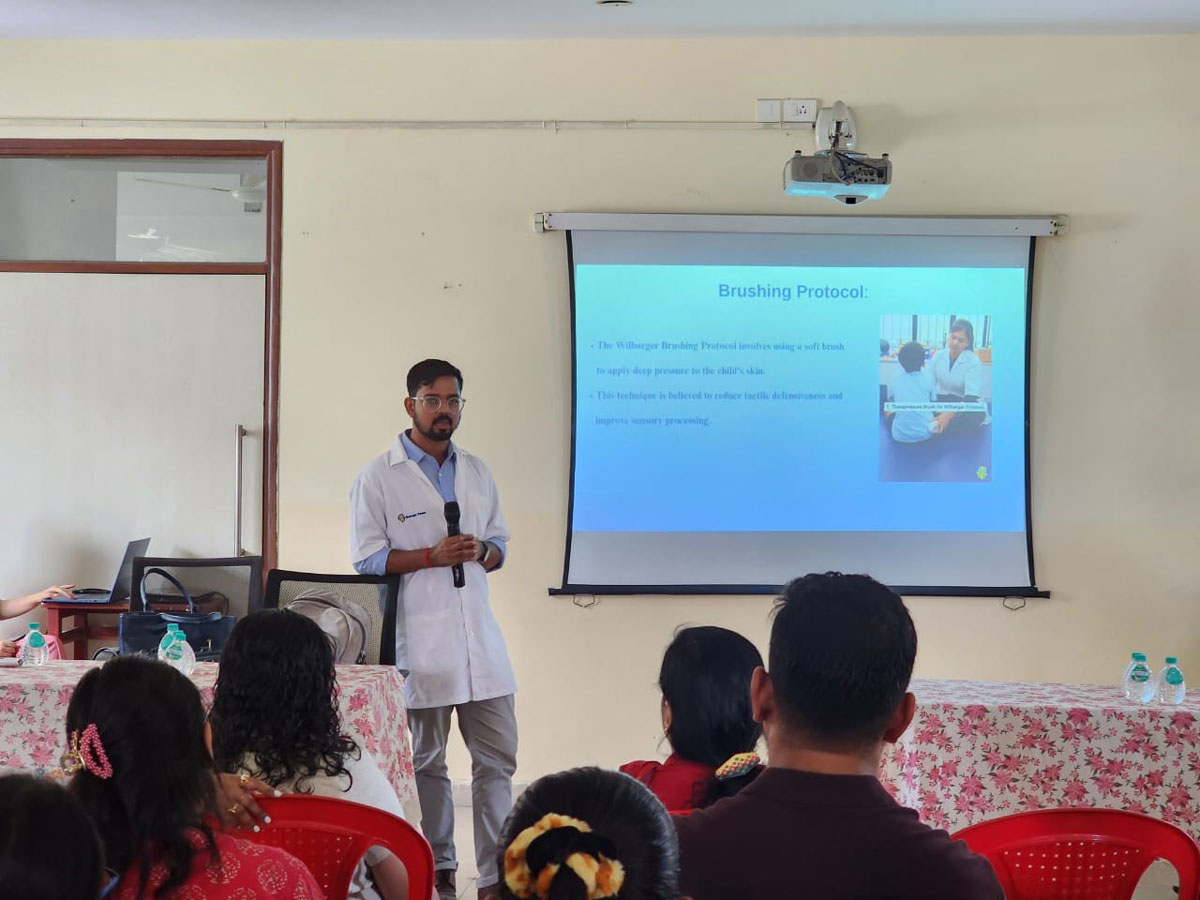
Mango Town is always open to having these delicate conversations with parents. From spreading awareness through our generalized content to collaborating with educational institutions, we do all it takes to promote inclusiveness and combat stigma against therapy.