
Child Development Milestones: Is Your Toddler or Preschooler on Track?
Have you ever taken a look at your child and wondered, “Is my child growing the way they should?” Being a parent may be a lot of work, but at the end of the day, when you look at your child giggling in your arms, everything seems worth it. But even so, there might be times when you cannot fully grasp your child’s developmental needs.

So when you actively try to learn how to guide a preschooler in their developmental stages, you move one step forward in the right direction. This alone can help nurture them and catch any signs that might require additional support. When you become aware as a parent, you become the spear of hope for your toddler’s development.
What are Developmental Milestones?
If you are confused about what developmental milestones are, here is a simplified definition for you. Developmental milestones are nothing but some indicators of early childhood development and growth. They signify a child’s development from infancy to toddlerhood. They can help distinguish whether your toddler is developing at a proper pace or going through a delay in their development.
Child developmental milestones cover most areas like movement (gross and fine motor skills), communication (language development skills), learning (cognitive skills), and social interaction (social and emotional skills).
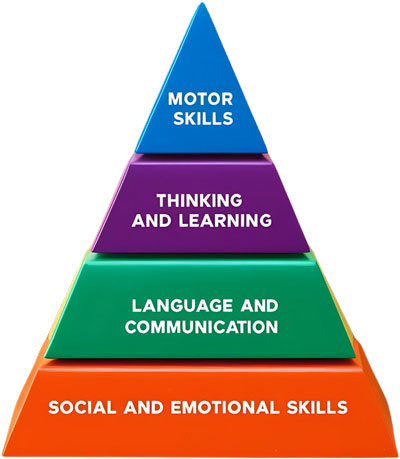
Developmental Milestones Map: What to Expect at Each Age
It is completely natural for toddlers to develop at their own pace. Some children develop quicker than others. However, keeping track of toddler milestones can help offer support when required.
Here’s what child development milestones look like from ages 6 months to 5 years:

This map isn’t meant to scare you but to guide you in noticing possible concerning patterns. It is always advisable to consult a professional when in doubt.
Worried That Your Child Is Not on “The Right Track”?
Even if you know that your toddler is unique and special, you cannot help but compare them to other children their age.
It is important to remember that growth isn’t a competition. Some children might hit their milestones faster than others, and that’s completely normal.
But if that’s normal, why should you be worried?
That’s because many children might go through patterns of developmental delay or regression. Losing the progress they had before, like speech and motor skills, can be a pivotal point in a preschooler’s development. It is best to make regular notes and consult a professional to avoid any future complications.

When Should You Act? Your Toddler’s Developmental Watch Points
Here are some signs worth taking note of during a toddler’s or preschooler’s development stage:
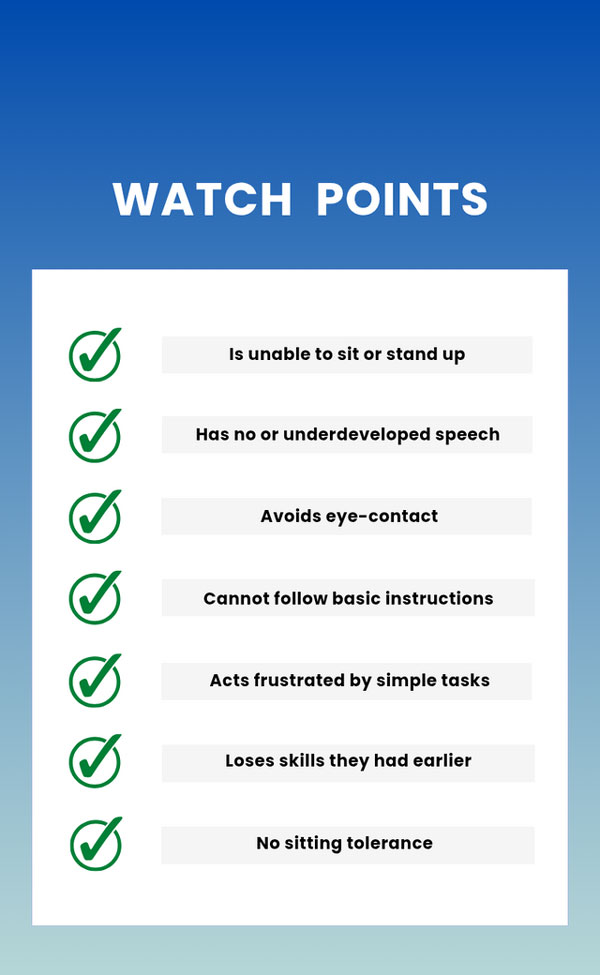
Even if your toddler or preschooler does display any of these signs, there is nothing to worry about. Try to look for a pattern in their actions and compare it with the developmental map above. This list is only meant as a reference for you to take necessary steps when required.
Supporting Your Child’s Growth at Home
If the points above have made you nervous, here’s some good news. You don’t need fancy toys or a professional degree to support your child’s development. Spending quality time and showering them with attention might just do the trick. Here are some simple ways you can encourage your toddler’s growth at home:
- Engage in Conversations: Children are curious in nature. Even if they aren’t speaking, they are listening. Engaging in daily conversations with your child will build both vocabulary and connection.
- Play with Purpose: Does your toddler like to play dress-up or pretend kitchen? That’s a great sign. Encourage them to draw, scribble, and play. This boosts their imagination and creativity.
- Build a Routine: Stick to predictable routines. This makes your child feel secure.
- Let Them Help: Ask your toddler or preschooler to help you with minor chores. Ask them to pour water or grab you a tomato. This helps build independence, motor skills, and confidence.
- Praise Your Child: When your child completes a task, it calls for a celebration, right? Reward them with a clap and a cheer so that they know they are doing great.
You don’t need to do everything perfectly. Just be present. Connection is the most powerful developmental tool you have.
A Gentle Reminder from Mango Town
You know your child best. However, feeling confused or having doubts is completely natural. If you are unsure, talk to your pediatrician or developmental expert. A small nudge in the right direction could mean a world of progress for your child.

“Children grow in their own time – your role is to watch, guide, and cheer them on.”
Here at Mango Town, we are dedicated to providing the best support to parents and children. We know how parents, too, might need a hand in their child’s development. Starting from screening assessments to tailored therapy to addressing developmental delay, we do it all. Our team is there to answer all your queries, no matter how minor they may seem.
Get in touch with us at care@mangotown.in or click here to book a free consultation!